Ohio insanity-defense burden-of-proof rule
The Minds of Billy MilliganOhio insanity-defense burden-of-proof rule governed which side had to establish sanity or insanity at trial, and its change became a consequential procedural issue in William Stanley Milligan’s case. The defense argued that the earlier rule should apply to offenses committed before the new law took effect, while the court had to consider how that request related to the scheduled trial and the evidence of Milligan’s mental condition at the time of the offenses.
The Change in the Burden
The law was due to change on November 1, 1978. Under the earlier rule, the prosecution bore the burden of proving sanity; under the new rule, the burden of proving insanity would fall on the defendant. The distinction affected more than courtroom procedure: it determined which side would bear the risk if the evidence did not establish the required conclusion.
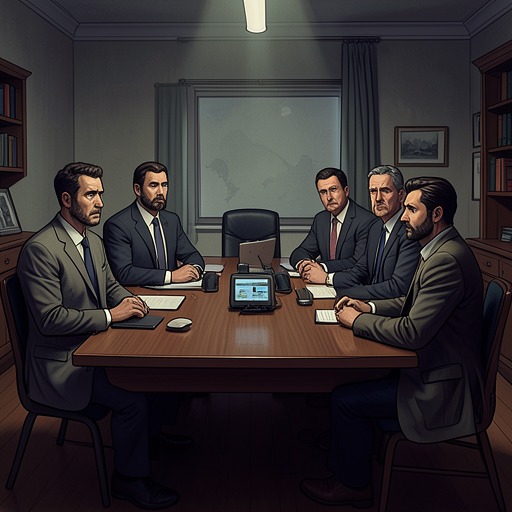
On October 6, after a competency hearing, Judge Jay Flowers found Milligan capable of standing trial on the basis of a report from Dr. George Harding. The report reflected a hospital study lasting more than seven months and consultation with other psychologists and psychiatrists. The court set December 4 as the trial date. Gary Schweickart accepted the competency ruling but argued that the trial should proceed under the law in force when the crimes occurred, before the burden shifted. Terry Sherman and Bernie Yavitch opposed that position.
Competency and Criminal Responsibility
The case also demonstrates why the ability to stand trial and responsibility at the time of an offense were separate legal questions. In January 1978, public defenders Judy Stevenson and Gary Schweickart arranged for clinical psychologist Willis C. Driscoll to evaluate Milligan. Driscoll reported an IQ score of 68, which he said had been lowered by depression, diagnosed acute schizophrenia, and concluded that Milligan could not adequately understand events or assist in his defense. The defense presented that report to Judge Jay Flowers as evidence of his then-current inability to participate in the proceedings.
The later competency decision addressed whether Milligan could stand trial after the extended hospital examination. The insanity issue, by contrast, concerned his mental state when the charged acts occurred. At trial, the medical evidence addressed that earlier period, stating that Milligan had been mentally ill, could not distinguish right from wrong, and lacked the ability to refrain from the acts. A finding that he could participate in a trial did not itself resolve whether he was criminally responsible for conduct committed while mentally ill.
The Court’s Consideration and Application
When Schweickart raised the choice of law, Judge Jay Flowers took the motion under advisement. He noted that in other situations involving changes in law, defendants had generally been entitled to whichever version was more favorable, but he knew of no decision or court case directly addressing the issue. The evidence therefore establishes that the defense sought the earlier burden and that the judge recognized an unresolved legal question; it does not establish a separate ruling on that motion.
At the trial, the judge dismissed the first rape count for lack of corroborating evidence and lack of a similar modus operandi. On the remaining counts, the medical evidence was stipulated. Judge Jay Flowers found that it established mental illness at the time of the offenses, inability to distinguish right from wrong, and inability to refrain from the acts. In the absence of contrary evidence, he found Milligan not guilty by reason of insanity on counts two through ten. The decision rested on the evidence before the court; the account does not say that the unresolved choice-of-law motion alone determined the verdict.
Legal Scope and Significance
The rule concerned the allocation of proof in an insanity defense, not the diagnosis of mental illness by itself. That distinction remained important beyond trial: in December 1979, a court separately found Milligan mentally ill and subject to hospitalization, citing substantial impairment and risks of harm. Such a later hospitalization finding addressed treatment and public safety under a different legal process, rather than the burden governing the trial verdict.
In the narrative, the change in burden places a technical rule at the junction of clinical judgment and criminal responsibility. Reports, diagnoses, and testimony could describe Milligan’s condition, but the governing rule shaped how that evidence had to be tested and what followed if the prosecution offered no evidence to the contrary. The trial’s insanity finding thus depended not simply on the existence of a diagnosis, but on evidence about Milligan’s capacity at the time of the offenses and the court’s application of the criminal standard.